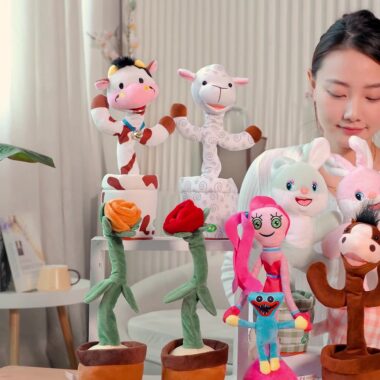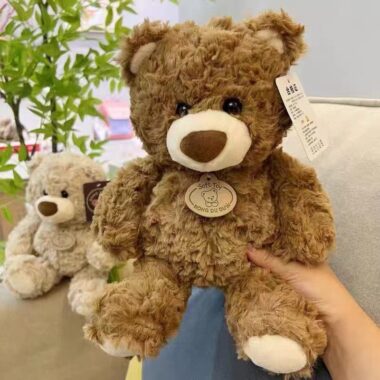

Soft toys can be more than just cuddly companions—they can play an important role in a child’s learning and development. Here are five types of soft toys that not only offer comfort but also promote various skills:
1. Alphabet and Number Plush Toys
- Why They Promote Learning: These toys are often soft and colorful, featuring letters and numbers that children can touch, feel, and play with. Some even have interactive features, like lights or sounds, that help kids learn to recognize letters and numbers.
- Developmental Benefits: Letter and number recognition, early literacy skills, and math concepts.
- Example: A plush book that introduces ABCs or a toy that sings the alphabet song.
2. Interactive Musical Plush Toys
- Why They Promote Learning: Soft toys that play music, sounds, or melodies help develop auditory skills and encourage rhythm and listening. Many musical plush toys have buttons that children press, leading to cause-and-effect learning.
- Developmental Benefits: Auditory processing, fine motor skills, and memory.
- Example: A teddy bear that sings lullabies or plays educational songs when pressed.
3. Sensory Development Plush Toys
- Why They Promote Learning: These toys come with varied textures, shapes, and sensory elements like crinkly ears, rattles, or even scent. Sensory play encourages exploration, helps calm children, and supports their understanding of the world around them.
- Developmental Benefits: Sensory processing, tactile exploration, and motor skills.
- Example: A soft toy with different textures or a sensory activity blanket that includes various objects for tactile learning.
4. Animal-Themed Learning Plush
- Why They Promote Learning: Animal-themed toys can teach children about animals, their sounds, and their habitats. These toys may come with educational facts or even play sounds of the animals they represent. They’re perfect for developing vocabulary and fostering an early understanding of the natural world.
- Developmental Benefits: Vocabulary building, animal recognition, and early science concepts.
- Example: A plush lion that roars when pressed, or a plush zoo with different animals and names.
5. Shape Sorting Plush Toys
- Why They Promote Learning: These toys usually feature plush versions of shapes, colors, or objects that children can sort into corresponding pockets or slots. Some even incorporate counting or sequencing elements. It’s an engaging way to promote cognitive development while keeping things soft and cuddly.
- Developmental Benefits: Problem-solving, shape recognition, hand-eye coordination, and color identification.
- Example: A plush “shape sorter” where the child can match shapes into a stuffed toy’s slots.
Bonus: Emotion Recognition Plush
- Why They Promote Learning: Some soft toys feature different facial expressions to help children understand emotions. These toys allow kids to explore empathy and identify feelings like happiness, sadness, or anger.
- Developmental Benefits: Emotional intelligence, empathy, and social skills.
- Example: A plush toy with a face that can change expressions or that teaches feelings through color-coded emotions.
These toys provide an interactive and engaging way for children to learn and grow while having fun. Which type of educational plush toy do you think your child would enjoy most?