The terms “soft toys” and “traditional stuffed animals” are often used interchangeably, but there are subtle differences between them in terms of design, purpose, and materials. Let’s break it down:
1. Definition and Scope
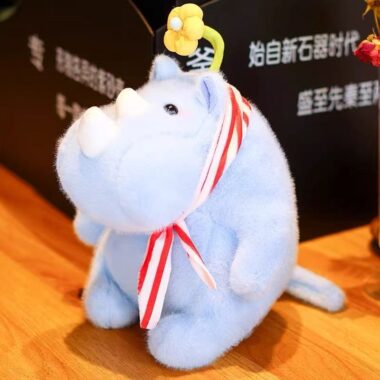
- Soft Toys: This term is more encompassing and refers to any plush or soft item designed for children or even adults. Soft toys include not just stuffed animals but also dolls, plush versions of characters, and even pillows or cushions made from soft materials. Essentially, all soft toys are stuffed animals, but not all stuffed animals are considered “soft toys” in the broadest sense.
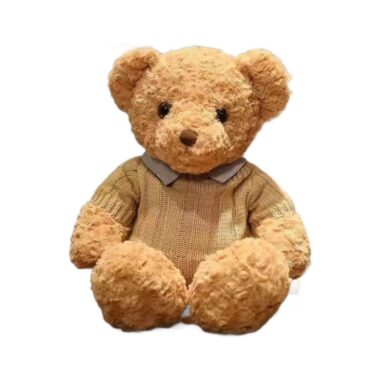
- Traditional Stuffed Animals: These are specifically stuffed versions of real or imaginary animals. They’re typically the classic bear, dog, rabbit, or other animal shapes that have been a staple of children’s toys for generations. These usually don’t carry extra functional features like interactive electronics or additional accessories.
2. Material and Texture
- Soft Toys: Soft toys can be made from a variety of plush fabrics, including cotton, polyester, or even newer synthetic blends. They are designed to be ultra-soft to the touch, providing a cuddly and comforting experience for the user. Some soft toys might even have unique textures, like velvet, chenille, or even minky fabric, to add sensory appeal.
- Traditional Stuffed Animals: While traditional stuffed animals are also made from soft fabric, they are usually created using basic materials like cotton, felt, or a generic plush fabric. These toys tend to focus more on their recognizable shape rather than additional texture or materials for sensory experiences.
3. Functionality and Features
- Soft Toys: Many modern soft toys are multifunctional. For example, some soft toys may have built-in features like sounds, lights, or even interactive responses, like the ability to talk or sing. Soft toys today often blend comfort with entertainment and education (e.g., educational plush toys like alphabet bears or counting animals).
- Traditional Stuffed Animals: Traditional stuffed animals are generally simpler in function—they’re designed to be primarily cuddled, hugged, or used for imaginative play. They typically don’t come with any electronic features, unless they’re an older or classic version that might contain a basic mechanical sound mechanism, like a squeaker or a music box.
4. Shape and Style
- Soft Toys: These can be much more diverse in terms of shape and design. Modern soft toys may include abstract designs, whimsical characters, or representations of pop culture figures (like superheroes, cartoon characters, or famous movie personalities). The range of styles has grown to appeal to older children and adults, with some soft toys becoming decorative pieces as much as playthings.
- Traditional Stuffed Animals: The style here is more classic—generally, animals or humanoid creatures in simple shapes (e.g., a teddy bear, a stuffed dog). They are often designed with a more vintage, nostalgic feel, harking back to the simpler toys of yesteryear.
5. Cultural Influence
- Soft Toys: The concept of soft toys has expanded globally, with designs and influences coming from a wide range of cultures. You can find soft toys based on a variety of international themes, including cultural symbols, folklore creatures, or even modern trends like emoji or social media icons.
- Traditional Stuffed Animals: These are often more regionally specific, tied to particular cultural or historical traditions. For example, the classic teddy bear originated in the United States but has become an iconic toy worldwide. Similarly, traditional stuffed animals like the “German Steiff bears” are often crafted with special attention to craftsmanship and detail, reflecting historical significance.
6. Emotional Connection and Nostalgia
- Soft Toys: While soft toys can become emotionally significant, they often lack the same level of deep nostalgic attachment as traditional stuffed animals. Newer soft toys tend to be more novelty-based or trend-driven, and may not have the same lasting emotional value.
- Traditional Stuffed Animals: These toys often carry more sentimental value, as many people remember their childhood stuffed animal with great fondness. The sense of attachment to a stuffed animal, especially something like a teddy bear, can be deeply emotional, often linked to comfort and reassurance during early childhood.
7. Durability and Lifespan
- Soft Toys: Modern soft toys can vary greatly in durability depending on the materials used. Some may have delicate parts like plastic eyes or electronic components that may wear out over time.
- Traditional Stuffed Animals: These toys, especially vintage ones, tend to be more durable and may have been made from materials designed to last through years of play. Classic stuffed animals, particularly those made by well-known brands (e.g., Steiff, Gund), can be passed down through generations and retain their value as collectibles.
Summary of Differences:
| Feature | Soft Toys | Traditional Stuffed Animals |
|---|---|---|
| Scope | Broad, includes plush toys of all kinds | Specifically animal-shaped toys |
| Material | Often softer, diverse textures | Simple, basic plush materials |
| Functionality | Interactive features (sounds, lights, etc.) | Mainly for cuddling or imaginative play |
| Shape/Style | More varied and modern designs | Classic animal shapes |
| Cultural Influence | Global, influenced by trends | Often regionally or historically tied |
| Emotional Connection | Can be sentimental but newer | Stronger nostalgic attachment, timeless |
| Durability | May vary based on materials | Generally more durable, vintage items |
Conclusion:
While the lines between soft toys and traditional stuffed animals may blur at times, soft toys tend to be broader, more modern, and interactive in design, while traditional stuffed animals lean more into classic, simple designs that have stood the test of time. Both are important in fostering emotional growth and providing comfort, but they cater to different needs and preferences in children’s emotional development.