The history of soft toys is fascinating, as they have evolved from simple, handmade creations to the mass-produced plush toys we know today. Their origins can be traced back to the late 19th century, and they have gone through various cultural, technological, and artistic changes along the way.
1. Early Beginnings: 19th Century
The first recognizable soft toys were made in the late 1800s. Before that, children would often play with homemade dolls crafted from materials like cloth, straw, or even wood. These early “toys” were often rudimentary and intended to serve more as companions or teaching tools than as objects for entertainment.
However, the idea of making plush toys for comfort and play became more prominent in the mid-19th century. Early soft toys were typically handmade, often by mothers or craftswomen, and they were crafted out of fabric, cotton, and stuffed with wool or other materials. They were simple in design, usually in the shape of animals or humanoid figures.
2. The Birth of the Modern Soft Toy: Late 19th Century
In 1880, the Steiff Company was founded in Germany by Margarete Steiff, and it became one of the most iconic names in soft toys. The company is credited with creating the first teddy bear in 1902, which marked the turning point in the history of soft toys.
The story goes that Steiff’s nephew, Richard Steiff, designed a bear that would later become the model for the first “Teddy Bear” after Theodore Roosevelt, the U.S. president, who was known for his love of animals. A well-publicized hunting incident where Roosevelt refused to shoot a bear led to a surge in popularity for the soft, bear-shaped toy, which was initially created for the German market but later spread worldwide.
3. The Teddy Bear Boom: Early 20th Century
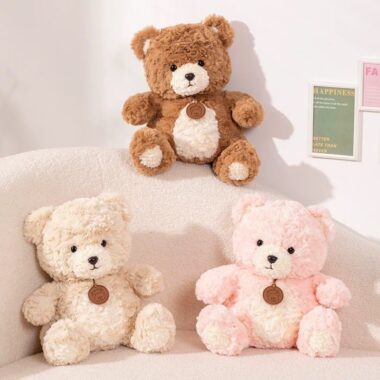
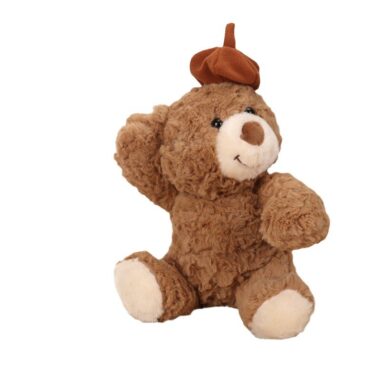
The teddy bear became a sensation in the early 20th century, particularly in the United States and Europe. Steiff and other companies, like Ideal Toy Company in the U.S., mass-produced teddy bears, and soon they became a staple in almost every home. The first teddy bears were made from mohair, with glass eyes and moveable limbs.
The teddy bear’s rise to fame was further cemented by its appearances in children’s books and advertisements. It became a symbol of childhood innocence and comfort, and by the 1920s, it was seen as a necessary item for every child’s nursery.
4. Post-War Expansion: Mid-20th Century
After World War II, the demand for soft toys grew significantly. As economies recovered and consumerism soared, toy companies began creating a wide variety of plush animals and dolls. Materials like synthetic fibers, plush fabric, and polyester became popular due to their affordability and durability. This marked the beginning of mass production in the toy industry, with companies like Mattel and Hasbro joining the market.
In the 1950s, the rise of television further influenced the soft toy industry. Popular characters from animated shows, like Walt Disney’s Mickey Mouse, were turned into soft toys. The idea of collecting and associating toys with pop culture became more prevalent during this time.
5. The 1980s and 1990s: The Era of Collectibles
By the 1980s, soft toys had transcended just being children’s playthings to become collectible items. The advent of Beanie Babies, which were small stuffed animals created by Ty Inc., was a game-changer. These toys were marketed as limited-edition collectibles, and some rare Beanie Babies sold for thousands of dollars.
Additionally, famous characters like Cabbage Patch Kids and My Little Pony led to the development of a whole market for branded soft toys. The 1980s and 1990s also saw the emergence of plush toys based on popular movies and TV shows, such as Star Wars, The Simpsons, and Disney franchises.
6. The 21st Century: Diverse and Sustainable Soft Toys
As we entered the 21st century, the soft toy industry diversified even further. There was a shift towards more inclusive, diverse, and eco-friendly products. Companies began producing soft toys based on characters from a wider range of ethnicities, body types, and backgrounds. At the same time, there was a growing demand for soft toys made from sustainable materials, such as organic cotton or recycled fabric, driven by consumer awareness about the environment.
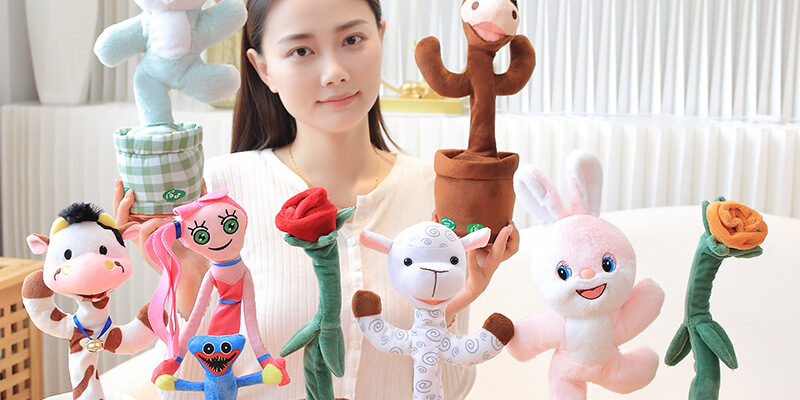
The advent of technology also brought about new innovations in soft toys. Interactive soft toys became popular, with toys that could speak, sing, or respond to children’s actions. These toys often featured built-in sensors or small electronics that allowed for more complex play experiences.
7. Soft Toys in Popular Culture
Soft toys have remained an integral part of popular culture. They are often featured in films, TV shows, and books, which keeps them relevant to newer generations. Characters like Winnie the Pooh, Paddington Bear, and Toy Story’s Woody and Buzz Lightyear have cemented their place as both iconic characters and beloved toys.
In recent years, soft toys have also appeared in the form of plushies from internet culture, with characters from video games, anime, and even memes becoming popular items for collectors and fans. Social media platforms like Instagram and TikTok have allowed for niche fandoms centered around collecting and customizing soft toys.
8. Soft Toys as Therapeutic Tools
In contemporary times, soft toys have found their place in therapeutic settings, especially in children’s hospitals, therapy sessions, and even for adults dealing with emotional stress or mental health issues. Plush toys are often used as comfort objects or as part of play therapy to help individuals express their emotions.
Conclusion
The history of soft toys reflects the changing nature of society, from handmade, simple creations to mass-produced, high-tech comfort objects. They have evolved to meet the needs of different generations, offering everything from emotional comfort to entertainment, and now even environmental consciousness. Today, soft toys remain an essential part of childhood, continuing to provide comfort, companionship, and nostalgia, while adapting to the demands of modern consumers.