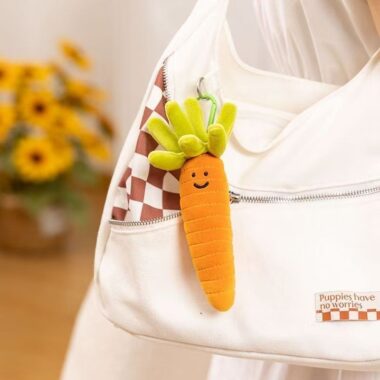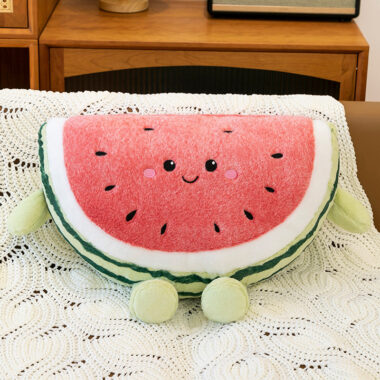

Yes, soft toys can definitely help with sleep, especially for children, and there’s a bit of science behind why cuddly comfort from a plush companion can improve sleep quality. Here’s how it works:
1. Providing Comfort and Reducing Anxiety
For children, soft toys are a source of comfort, especially during bedtime. The feeling of security and familiarity that a favorite stuffed animal provides can help reduce anxiety and fear associated with being alone in the dark. This is particularly helpful for kids experiencing separation anxiety or fear of monsters, which is common in early childhood.
The sense of comfort that a soft toy brings can activate the body’s parasympathetic nervous system (the “rest and digest” system), which helps reduce heart rate and promote relaxation, preparing the body for sleep.
2. Enhancing Emotional Security
Soft toys often serve as a “transitional object” in early childhood, something that bridges the gap between the child’s need for their caregiver’s presence and their ability to sleep independently. The emotional attachment to a stuffed animal helps children feel secure when they are alone in their bed. This emotional security can prevent them from feeling lonely or anxious and make it easier for them to drift off to sleep.
Research suggests that the presence of comforting items, like soft toys, can ease the emotional strain of bedtime, improving the child’s ability to self-soothe and get quality rest.
3. Cuddling Triggers Oxytocin Release
When you cuddle a soft toy, or when children snuggle with their stuffed animals, the act of physical touch (even though it’s with an inanimate object) can stimulate the release of oxytocin, the hormone often referred to as the “love” or “bonding” hormone. Oxytocin is known for promoting feelings of calm, reducing stress, and encouraging relaxation—all of which are essential for falling asleep.
Oxytocin is also associated with lowering levels of cortisol (the stress hormone), which can further help relax the body and mind, allowing the child (or even an adult) to sleep more soundly.
4. Creating a Bedtime Routine
The use of soft toys can become an important part of a consistent bedtime routine, which is crucial for promoting good sleep hygiene. A routine that includes cuddling with a favorite stuffed animal can signal to the brain that it’s time to wind down and prepare for sleep. Over time, this association helps children (and even adults) fall asleep faster and feel more relaxed when it’s time for bed.
The predictability of a bedtime routine can also enhance the production of melatonin, the hormone that regulates sleep, leading to a more peaceful slumber.
5. Promoting Deep Sleep
Studies show that cuddling a soft object, whether it’s a plush toy or pillow, can promote deeper stages of sleep. The comfort and sense of safety provided by the soft toy can help prevent sleep disturbances, especially for children who might otherwise wake up in the middle of the night. In fact, children with a favorite soft toy may experience fewer nighttime awakenings compared to those who don’t have such a comfort object.
6. Supporting Autonomy and Confidence
For older children (and even some adults), soft toys can encourage independence by providing a sense of companionship while they sleep on their own. By having a comforting presence nearby, they feel empowered to sleep without needing constant reassurance from a parent or caregiver. This gradual independence helps build emotional resilience, as the child learns to trust themselves and their ability to self-soothe.
7. Temperature Regulation
Some soft toys are designed to be weighted (like “weighted blankets”) and can provide gentle pressure, which has been shown to have a calming effect on the nervous system. The slight pressure mimics the sensation of being hugged, which can increase serotonin and melatonin levels, improving the quality of sleep. The comforting weight of these toys can be particularly useful for children who may struggle with restlessness during the night.
8. Enhancing Sleep for Adults
While the science is often focused on children, adults can also benefit from the comfort and relaxation that a soft toy provides. Adults who struggle with stress, anxiety, or sleep disturbances may find that cuddling a plush toy or weighted blanket helps them relax and fall asleep faster. The act of hugging or cuddling triggers the same calming hormones, providing emotional support and promoting better sleep.
Summary of How Soft Toys Aid Sleep:
| Factor | How Soft Toys Help with Sleep |
|---|---|
| Comfort & Security | Provides emotional comfort, reducing anxiety and fear, especially at bedtime. |
| Emotional Security | Acts as a transitional object to ease separation anxiety, making the child feel safe to sleep. |
| Oxytocin Release | Physical touch (even with a soft toy) releases oxytocin, reducing stress and encouraging calm. |
| Bedtime Routine | Integrating soft toys into bedtime creates a comforting routine, signaling the body to relax. |
| Deeper Sleep | Promotes deeper, more restful sleep by providing comfort and preventing disturbances. |
| Confidence & Independence | Supports emotional growth by helping children feel secure sleeping independently. |
| Temperature Regulation | Weighted soft toys can provide gentle pressure, aiding relaxation and improved sleep quality. |
Conclusion:
Soft toys are more than just cute companions—they are scientifically proven to help children (and even adults) sleep better by reducing anxiety, promoting emotional security, and encouraging a sense of calm. Whether it’s through cuddling, creating a bedtime routine, or offering a source of comfort during stressful times, these cuddly friends play a key role in helping us get the restorative sleep we need.